Into the formerly luscious
Guy Bourdin added sexual provocation,
surrealism and lots of color,
thereby changing
glossy and commercial
once
and
for all.
French photographer
known for his provocative
works
and artist
culture, where one shot repeats another,
world of 20th century visual
photography


A revolutionary of fashion photography, he was born on December 2, 1928, in Paris. His mother abandoned Guy when he was barely a year old. Many psychologists say that this played a major role in the photographer's attitude to women, both at work and in his personal life. He was often lonely, and found solace only in reading and drawing.
Guy Bourdin took his first photographs during his service in Dakar — at the time, however, he mainly shot military objects from the air. When he returned to Paris in 1949 (he was 21), he started selling photographic equipment, at the same time working as a dishwasher in a restaurant in order to earn money for professional equipment.
The meeting with the famous surrealist Man Ray was fateful. The creative natures became friends and Man Ray became Bourdain's patron — in 1953 he arranged Guy's personal photo exhibition.
And it was manifested
Bourdain carried
Man Ray's influence with him
through his
not only in the
the classicist gave
of absolute
which the
even in numerous
His talent
skillfully modifying reality
модных изданий,
and Guy's
career
skyrocketed.
photography.
career in
also in the very approach to his work:
manner of constructing
the space of the frame, but
example
Bourdin
a personal
freedom,
creative
compromise
photographer
refused to
projects.
commercial
publications,
was quickly noticed by
the editors of fashion
The meeting with the famous surrealist Man Ray was fateful. The creative natures became friends and Man Ray became Bourdain's patron — in 1953 he arranged Guy's personal photo exhibition.
Man Ray's influence
with him
the space of the frame,
but also in the very approach
to his work:
the classicist
gave
1932
Man Ray
1932
Man Ray, Glass tears
Guy Bourdin took his first photographs during his service in Dakar — at the time, however, he mainly shot military objects from the air. When he returned to Paris in 1949 (he was 21), he started selling photographic equipment, at the same time working as a dishwasher in a restaurant in order to earn money for professional equipment.
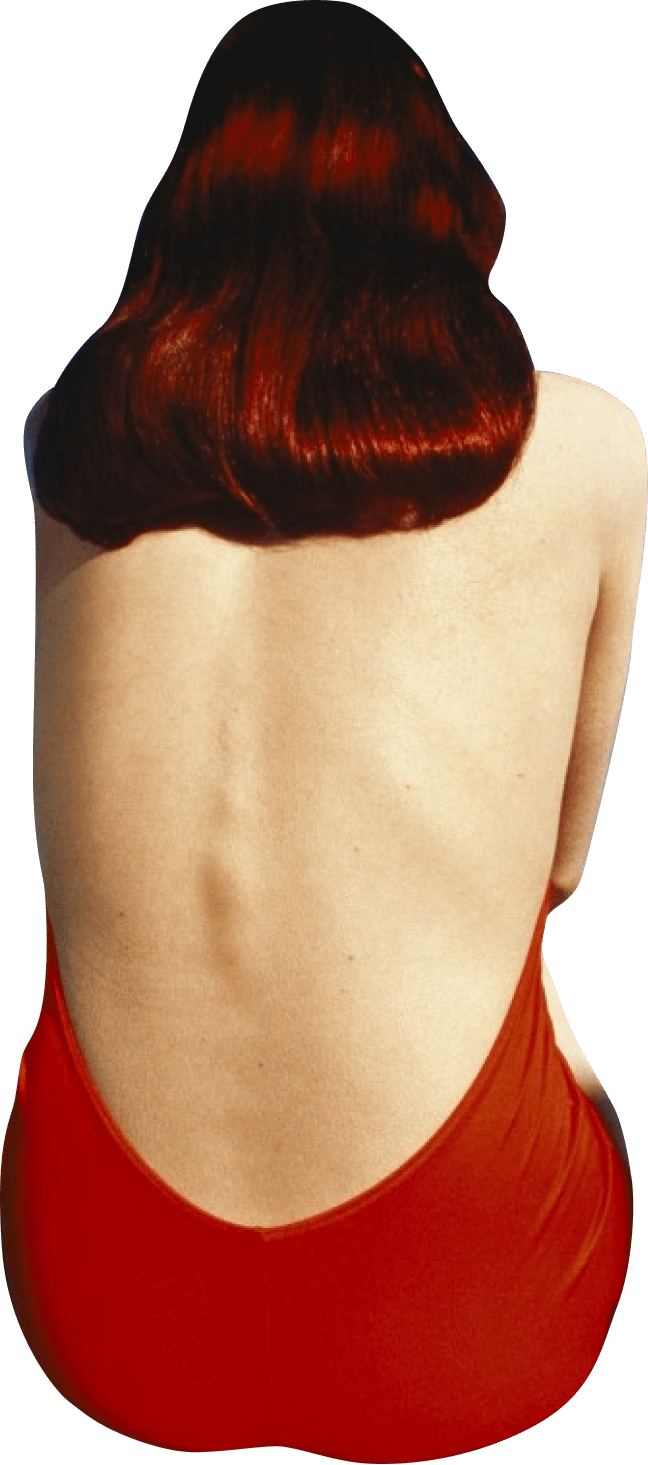
He became a true innovator in the world of commercial fashion photography. In his works, the model played only the role of entourage, and the viewer's attention was focused on the product, which was always part of the elaborate scenes.
Model Louise Despointez
and
and
One of the most famous
pictures of Guy
was published
many hands with the same nail color.
The reference point
in Vogue Paris
in 1970:
technique of
for Bourdain was
the work «Glass
Tears» by his
teacher Man Ray,
who used the
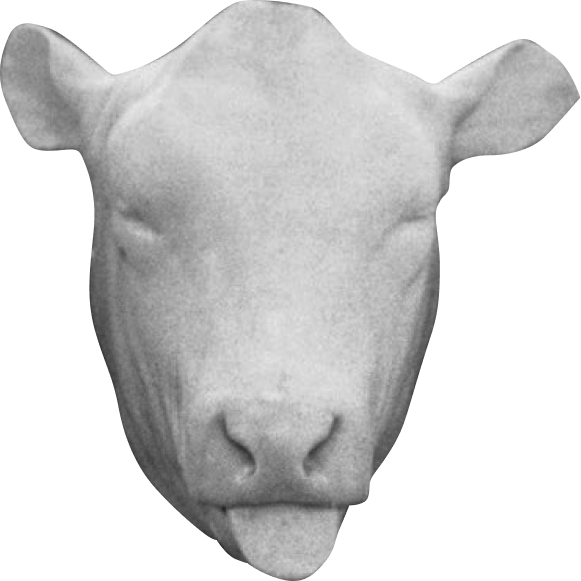
He chose a slaughterhouse as the location: graceful models against the background of animal carcasses. The February 1955 issue of Vogue Paris came out with black and white shots of Bourdin. The public was shocked, and Guy gained fame for his signature style of photography. Hyper-realistic colors and women, wearing Chanel, Chloé and Versace outfits in his shots appeared on the pages of Vogue magazine for almost 40 years.
In the mid-50s, young Guy decides to submit his work to French Vogue.
Despite the fact that the images in the pictures were far from what the magazine was interested in, their quality impressed the assistant editor-in-chief. The editors decided to give the photographer an assignment: to take a shot promoting headwear.
In the mid-50s, young Guy decides to submit his work to French Vogue. Despite the fact that the images in the pictures were far from what the magazine was interested in, their quality impressed the assistant editor-in-chief. The editors decided to give the photographer an assignment: to take a shot promoting headwear.
He became a true innovator in the world of commercial fashion photography. In his works, the model played only the role of entourage, and the viewer's attention was focused on the product, which was always part of the elaborate scenes.


duplicating
elements.

He became a true innovator in the world of commercial fashion photography. In his works, the model played only the role of entourage, and the viewer's attention was focused on the product, which was always part of the elaborate scenes.
Model Louise Despointez
and
and
One of the most famous
pictures of Guy
was published
many hands with
for Bourdain was
in Vogue Paris
in 1970:
duplicating
the work «Glass
Tears» by his
teacher Man Ray,
who used the
technique of
He became a true innovator in the world of commercial fashion photography. In his works, the model played only the role of entourage, and the viewer's attention was focused on the product, which was always part of the elaborate scenes.
The reference point
the same nail color.
elements.





He was one of the
first to shoot
for the sake
to shoot
of the first
He was one
for the
sake
of
art,
combining
and
symmetry,
poses,
unusual
hyper-realistic
colors
Guy Bourdin, «the Spring»
Guy Bourdin
1977
Guy Bourdin
1977
Guy Bourdin, «Woman with the portrait of John Travolta»
Guy Bourdin
1976
Guy Bourdin
1971
Guy Bourdin for Vogue Paris
1971
Guy Bourdin for Vogue Paris
1969
Guy Bourdin for Vogue Paris
1973

Guy Bourdin never wanted
his pictures to be known to
a wider audience —
It was only
after his death
that everyone could
see his photos.
death
after his
that
everyone
could
see his
photos.
they were published exclusively
they were published
fashion world.
exclusively for the
«inhabitants» of
world.
the fashion
for the «inhabitants» of the
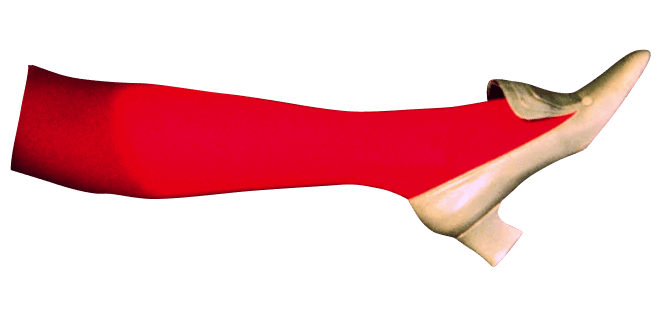
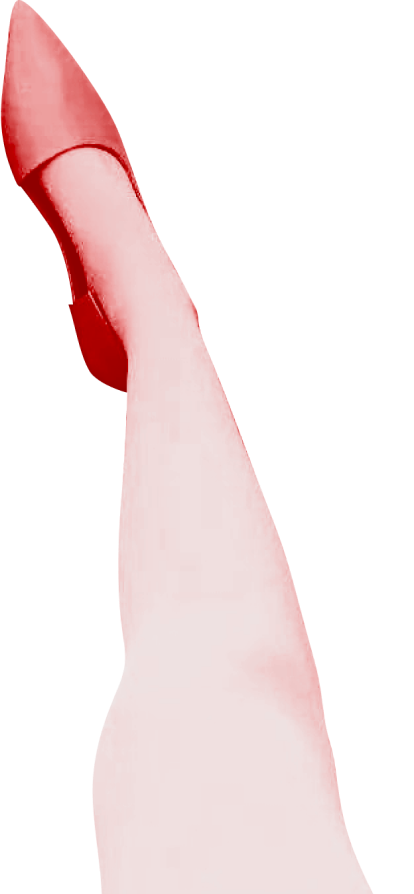
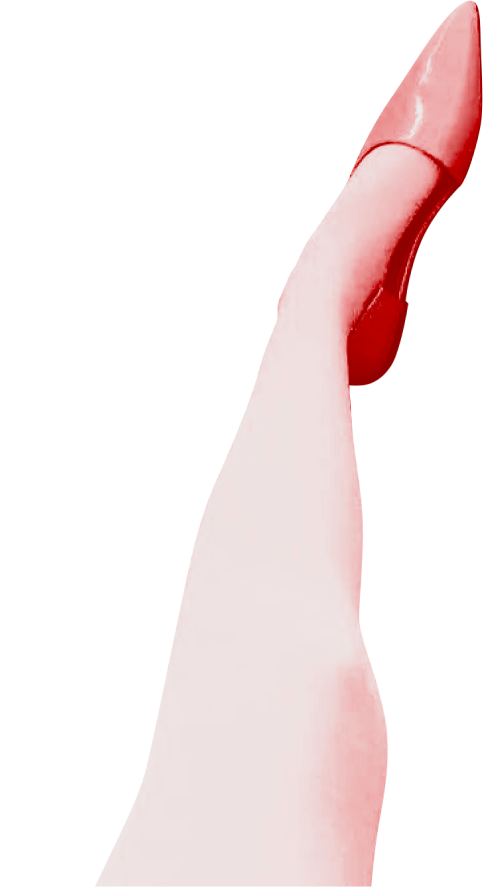
resulted in the photographer's long-term collaboration with the Charles Jourdan brand. The series "Walking Legs" was shot in 1979 Great Britain.
The photographer's assistant made a hole in the ground or a paving stone and used pins to fasten shoe mannequins to the advertised shoes, creating the illusion of movement in the frame. No retouching.
In the mid-60s, Bourdin met Roland Jourdan. The meeting resulted in the photographer's long-term collaboration with the Charles Jourdan brand. The series "Walking Legs" was shot in 1979 Great Britain. The photographer's assistant made a hole in the ground or a paving stone and used pins to fasten shoe mannequins to the advertised shoes, creating the illusion of movement in the frame. No retouching.
The shoes
role in Guy's
play the main
the models disappear
pink
shoes
scattered
around.
at all.
In the mid-60s, Bourdin met Roland Jourdan.
The meeting
The meeting
picture,
of desire.
the object
representing
In some of
shots,
Bourdin's
The only
viewer sees
things the
are puddles
body on the
pavement,
woman's
outline of a
chalky
of blood, the
and
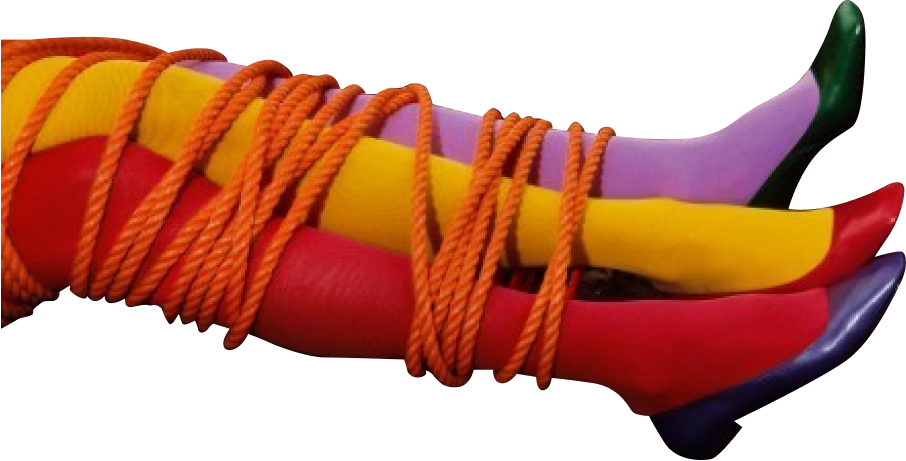
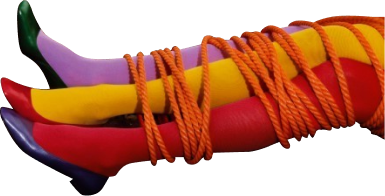


Speaking of photographer exclusivity: Charles Jourdan, the designer of Rolan Jourdan, met Guy Bourding in 1964 and over the next 17 years he entrusted his advertising campaigns for the brand to Bourdin alone.
The model holds forward
Another famous
shoot for
Charles Jourdan
the Polaroid photograph
Bourdain would
technique
in The usa.
was created
the viewer.
she has just taken,
as if showing it to
later use the
«picture-in-
picture»
many
times
Speaking of photographer exclusivity: Charles Jourdan, the designer of Rolan Jourdan, met Guy Bourding in 1964 and over the next 17 years he entrusted his advertising campaigns for the brand to Bourdin alone.
Guy was one of the first authors
working in the commercial segment,
who abandoned the direct
presentation of things
the artistic
image —
in favor of
handbags and shoes
were secondary for him.
The main
thing was
the idea.
1975
Guy Bourdin for Charles Jourdan
1972
Guy Bourdin for Vogue Paris
1968
Guy Bourdin for Charles Jourdan
1978
Guy Bourdin for Charles Jourdan
working in the commercial
segment,
were secondary
for him.
Guy Bourdin
Guy Bourdin
Guy Bourdin
1976
Guy Bourdin, «Sighs and Whispers» for Bloomingdales
Guy Bourdin, «Sighs and Whispers» for Bloomingdales
1983
Guy Bourdin for Charles Jourdan
1975
Guy Bourdin for Charles Jourdan
Guy's work was not just stop-motion photographs from beautiful shoots; it was a whole story with a beginning, a storyline, and an ending. And everyone could interpret it in their own way.
His photographs challenged the curiosity and imagination of the viewer, moreover, they still entertain and intrigue the public today. He showed that commercial photography can be conceptual, sensual and stirring.
Photoshop didn't
It was easy
exist back then,
enough to
the process
at an angle, the
falling:
to be done in
was placed
illusion of
so the magic had
the chair
create the
create
the illusion
a bar
protruding
from
the
of falling:
of shooting.
back legs were
nailed to the
and the model
was leaning
against
a bar protruding
from the
wall.
floor,
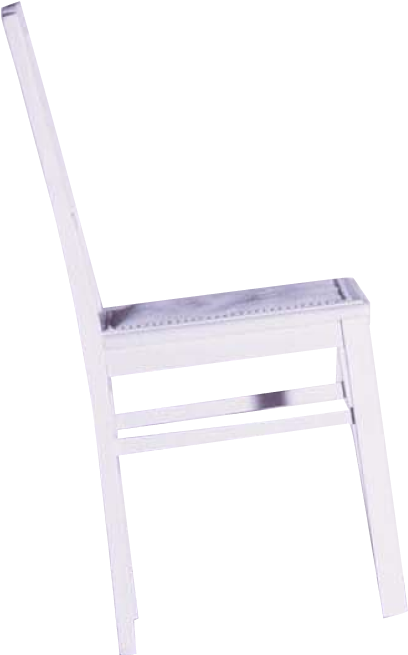


Ги Бурден для Charles Jourdan
1975
Accusations of hatred to women were then also added to the accusations of objectifying the female body, which the photographer «reduced» to basic erotic parts in his pictures.
Once
he covered two models from head
impossible to breathe.
The editor
the models would die, to which
so profusely that it was
to toe with glue and then poured
jewels over them
consciousness.
Both girls
lost
on interrupting the shoot, or
of Vogue insisted
to die
Bourdain replied:
«Oh, that would be beautiful —
in bed!»
The photographer achieved results in his own way: for example, he refused studio umbrellas, he could make an assistant dance around the composition he created with a fire, which was usually mounted on tripods.
The psychological trauma caused by the fact that Guy Bourdin's mother abandoned him immediately after his birth had a strong effect on his personality, and not for best. Sometimes he was striking with his authoritarianism. Colleagues said that on the set, he enjoyed his power, forced the models to take the most difficult poses, and often brought them to tears.
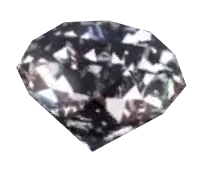
Accusations of hatred to women were then also added to the accusations of objectifying the female body, which the photographer «reduced» to basic erotic parts in his pictures.


But isn't that
Bourdain depicted
women's bodies as objects
to be looked at
what fashion
the person
in isolation from
has always revolved
photography asked for,
the analysis of which
accessories of
the clothes
and
to whom
they
belonged.
It was the same principle that Bourdain worked with parts of women's bodies and inanimate objects on which his photographs were based. There may be no sense in a woman's lonely feet on a platform or a pier, but we still can't take our eyes off them.
Besides Man Ray, Alfred Hitchcock had a strong influence on the photographer. In his films, the director often resorted to a technique commonly called «macguffin» in the West. This term describes an object that the plot wants all the characters to possess, but in itself it carries no essence. As Hitchcock said, «a macguffin is nothing»
the models?
1975
Guy Bourdin for Charles Jourdan
1977
Guy Bourdin for Charles Jourdan
Guy Bourdin
1948
Alfred Hitchcock, «Rope»
But isn't that what
fashion photography
asked for, the analysis
of which has always
revolved only around
Bourdain
At the time, Vogue
was gathering
a new team.
photographer
with an
a fading
A close friend of
Bourdain's left the magazine,
He was depressed.
but Bourdain refused to do so. "First they took my couch and then my record player as a tax levy," Guy Bourdain's son Samuel recalls. A year later, Guy was jailed for not paying his taxes, but publishers Daniel Filipacchi and Vogue paid the authorities to free him.
In the late '70s, photographers were first required to pay value-added taxes,
In 1989 he was diagnosed with cancer. He continued to work, but his photographs lacked sharpness and a sense of whimsical life. His models no longer looked like dolls, but rather like mannequins.
then
«You have to
let me stay
there.
How
wonderful
it is to spend a
whole year in
prison. Just
reading».
It seemed
as if he was
purposely
alienating
those
to him.

which was a
real shock
for the
photographer.
For the first time
he was seen as
a regular
commercial
photographer.
A
outdated view
and
talent.
1987
Guy Bourdin for Chanel
In the late '70s, photographers were first required to pay value-added taxes, but Bourdain refused to do so. "First they took my couch and then my record player as a tax levy," Guy Bourdain's son Samuel recalls. A year later, Guy was jailed for not paying his taxes, but publishers Daniel Filipacchi and Vogue paid the authorities to free him.
alienating
those
In 1989 he was diagnosed with cancer. He continued to work, but his photographs lacked sharpness and a sense of whimsical life. His models no longer looked like dolls, but rather like mannequins.
Guy Bourdin

told them,
close

1987
Guy Bourdin
1985
Guy Bourdin for French Vogue
1987
Guy Bourdin for Chanel
Guy Bourdin for Vogue Paris
1985
One Saturday afternoon in March, Guy called his date to tell her he was in the hospital. He asked her to bring some pencils and paper. Bourdain began to draw something frantically. The next time, she caught him in a delirium. He passed away on March 29, 1991.
His works were stored in boxes in warehouses for a long time. And since film is a delicate thing, most of his photoghraphs will never be seen.
One Saturday afternoon in March, Guy called his date to tell her he was in the hospital. He asked her to bring some pencils and paper. Bourdain began to draw something frantically. The next time, she caught him in a delirium. He passed away on March 29, 1991. His works were stored in boxes in warehouses for a long time. And since film is a delicate thing, most of his photoghraphs will never be seen.

One Saturday afternoon in March, Guy called his date to tell her he was in the hospital. He asked her to bring some pencils and paper. Bourdain began to draw something frantically. The next time, she caught him in a delirium. He passed away on March 29, 1991.
His works were stored in boxes in warehouses for a long time. And since film is a delicate thing, most of his photoghraphs will never be seen.
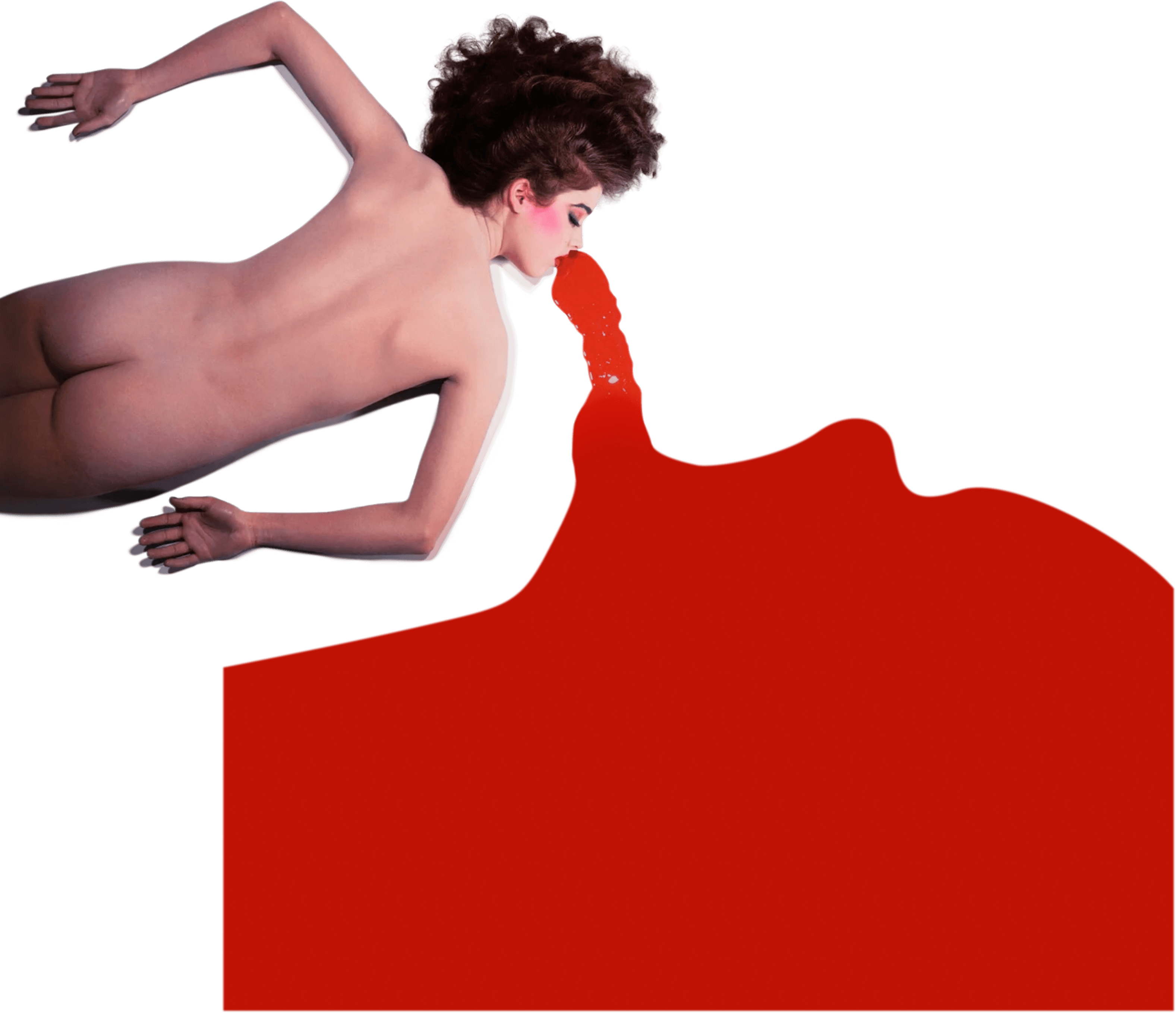
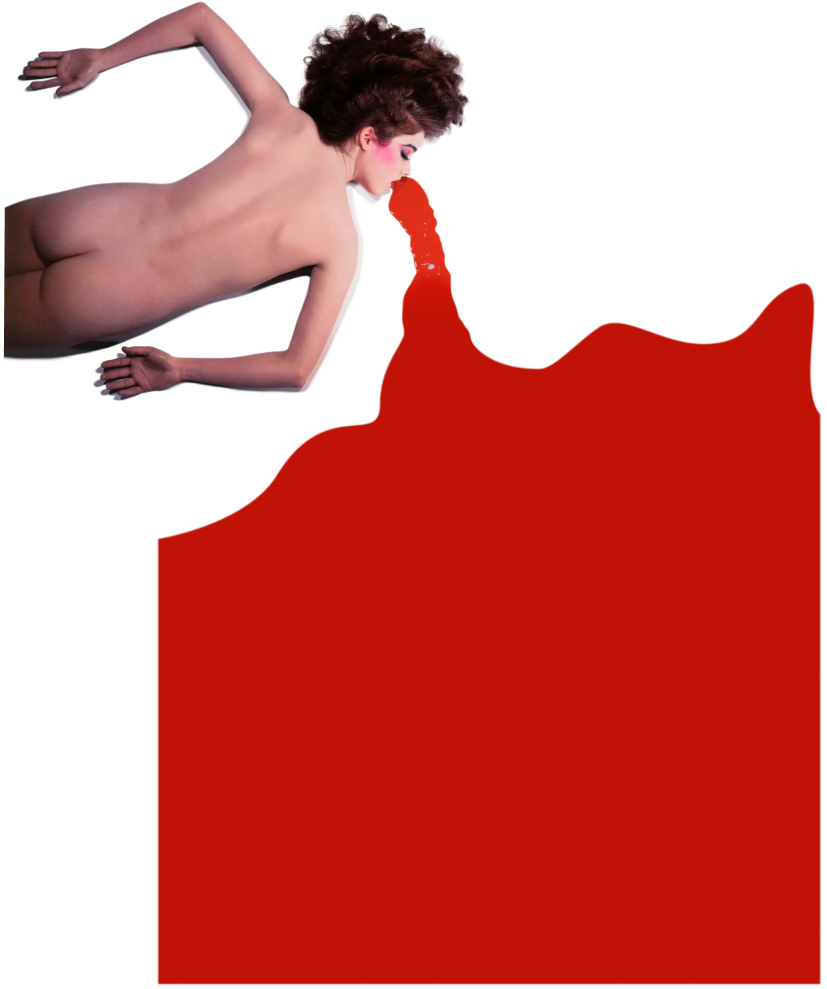
he didn't give interviews,
and didn't sell his work
to collectors.
destroyed photographs
that, in his opinion, were
not perfect. He remained
faithful to a principle
of tragedy: the
protagonist is
an accomplice
in his
own
downfall
he refused to accept
honors and awards,
Even during his lifetime,
Although that is exactly
what the author wanted.
Website
design
&
layout


A non-profit
project.
Created
at the
typography
design course
by Sergey
Telidchenko
he didn't give interviews,
and didn't sell his work
to collectors.
He destroyed
that, in his
not perfect.
He remained
faithful to a
principle of
protagonist is
in his
own
downfall.
he refused to accept
honors and
Even during his lifetime,
what the author wanted.
Although that is exactly

Telidchenko
by Sergey
design course
at the typography
Created
layout
&
design
Website
project.
A non-profit
awards,
photographs
opinion, were
tragedy: the
an accomplice